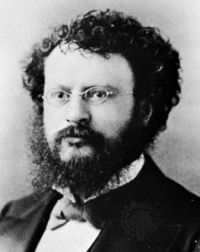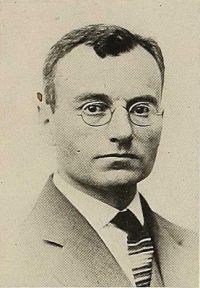
Carl L. Becker

Biographical details

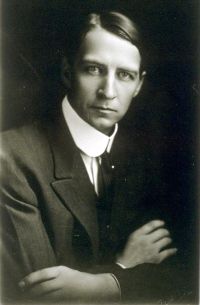
Portrait of Carl L. Becker Carl L. Becker,  The Eve of the Revolution; A Chronicle of the Breach with England (1918)

“ Through the eyes of Samuel Adams, therefore, vigilant Bostonians saw clearly that the Sugar Act, to say nothing of the Stamp Act, was not only an economic blunder but a menace to political liberty as well. “If our trade may be taxed,” so the instructions ran, “why not our lands? Why not the produce of our lands, and everything we possess or make use of? This we apprehend annihilates our charter right to govern and tax ourselves. It strikes at our British privileges which, as we have never forfeited them, we hold in common with our fellow-subjects who are natives of Great Britain. ”
Source: Gutenberg

Portrait of Carl L. Becker Carl L. Becker,  Beginnings of the American People

“ And, indeed, the main basis of distinction in this new world was a purely external one—the possession of wealth; and wealth was in no unreal sense the bequest of nature to capacity. Initiative and industry, rather than the dead hand of custom, marked a man for distinction and preferment. It was the land of opportunity where the servant could become the farmer, the farmer a planter, where the planter, acquiring by skill or happy chance a great estate, thereby entered in with the political and social grandees. ”
Source: Gutenberg

Portrait of Carl L. Becker Carl L. Becker,  Beginnings of the American People

“ Offers of conciliation could scarcely have arrived in America at a more inopportune time,—the very moment almost when the battle of Lexington came like an alarm-bell in the night to waken men from the dream of peace. And the resolutions themselves had all the appearance of being a clever ruse designed to separate the Middle colonies from New England and Virginia, in order to destroy that very union which Americans believed to be the best hope of obtaining real concession. ”
Source: Gutenberg

Get perspective with Kwize: daily news enlightened by great literature