“ As the fight went on and it became obvious that Garman, despite his efforts, was as fresh as ever, Roger abandoned this hope; and now he became more calm, more icy-eyed than ever.It was a fight to death and his only purpose now to die hard and fighting to the last breath. A grim satisfaction, a pride, almost a joy, in the perfect condition of body, of his strength and agility, began to grow in him. The joy of life, the purposes and hopes of a man's existence; the hope of love, all that had been put away; and he had become the stark fighting man, single of idea, barren of hope, but efficient. ”
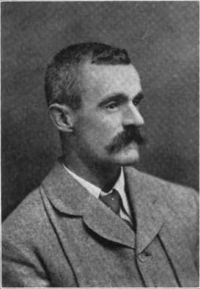
Henry Oyen
Biographical details
Henry Oyen (1882–1921), an American writer, is celebrated for his vivid exploration of human resilience, moral conflict, and the harsh beauty of wilderness. His novels, including Hidden Country, The Snow-Burner, and The Plunderer, intertwine elemental struggles with psychological depth, portraying characters grappling with survival, love, and existential despair in remote landscapes.
Oyen’s prose, marked by stark realism and emotional intensity, reflects his preoccupation with the tension between civilization and primal existence, rendering his work both poignant and enduring. His legacy lies in crafting narratives where the natural world and human spirit collide with unflinching clarity.
Quotes by Henry Oyen
Henry Oyen, Hidden Country (1916)
“ Once more the sound of George’s name on her tongue shocked me. Could she never get the man out of her head?I picked aimlessly at a birch bough over my head, and each little budding leaf that I plucked away seemed like the tiny dreams which unconsciously had been in my mind all morning, and which now were driven away. The dreams that come to a man willy-nilly, without reason, without basis of hope. It probably was the stress of yesterday, the natural romance of a cave in the wilderness that were responsible. Well, I had that, anyhow; hours with Betty, in the sunlit, primitive woods. ”
“ There are men still here, Snow-Burner, but the caribou have gone.” “Have gone, have gone, have gone. Ah wo!” chanted the old squaw. “Where do you hunt?” asked Reivers tersely. “Where we have always hunted; where our fathers hunted before us,” was the reply. “Along the river in the muskeg and bush to the south we hunt. The caribou are not there. They are nowhere. The gods have taken them away. We must die and go where they are.” “We must go,” wailed the old squaw. “The gods refuse us meat. We must go.” Her chant of despair was heard beyond the tepee. ”