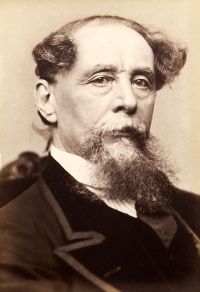
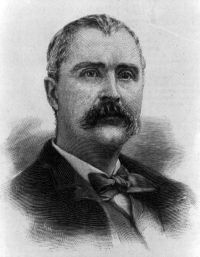
Hubert W. Peet

Biographical details

Hubert W. Peet,  112 Days' Hard Labour — Introduction (1917)

“ As, after lights out, I lay on the wide wooden unmattressed bed, beside some soldiers, good fellows—infinitely kindlier and more understanding than the warlike civilian—I was conscious of the awful weight of prison life on one’s soul and mind. Memory and contrast surged through my brain. There was the sense of the present albeit sleeping companionship instead of the loneliness of the cell. There was the recollection of the unrestrained talk and laughter during the evening in such contrast with the hurried, whispered word in prison. ”
Source: Wikisource

Hubert W. Peet,  112 Days' Hard Labour — Main (1917)

“ Personally I can imagine nothing more calculated to put a man permanently on the road to ruin. God forbid that I should ever be responsible for sending a man, woman, or child to prison, for any injury to me or mine.
The attempted imposition of silence is unmoral, even if not immoral; the isolation drives the man into himself and tempts him at every turn to fulfil the human instinct of communication with his fellows, a course only possible by the exercise of some petty deceit or the breaking of a rule.
”
Source: Wikisource

Hubert W. Peet,  112 Days' Hard Labour — Main (1917)

“ Man may be worse than the best, but he is better than the worst. No man is as good as his creed, but he seldom consistently falls to the depth of the worst of the systems he may have contrived, which include prison and the Army. Of the two, I prefer the latter. It is the distinction between the barbarous and the brutal. The one is crude, but leaves many a loophole for inherent humanity to exercise itself. ”
Source: Wikisource

Get perspective with Kwize: daily news enlightened by great literature