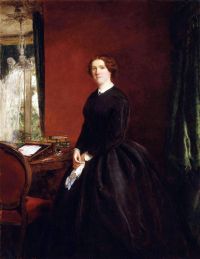
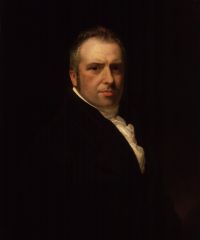
Wandsworth, a town on London’s southern periphery, has long been a subject of literary observation, reflecting its dual nature as both a rural enclave and a site of urban change. Authors like Sir R. Phillips and N. D’Anvers contrast its quiet, old-world charm with the uniformity of contemporary life, while M. E. Braddon evokes its charming architecture and pastoral appeal.
Edgar Wallace, meanwhile, links it with institutional confinement, as seen in The Four Just Men. These varied portrayals underscore Wandsworth’s symbolic role as a threshold between London’s energy and the calmer pace of its suburbs, a duality reflected in its literary and geographical connections to neighboring areas.