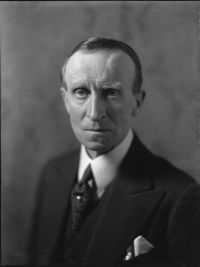
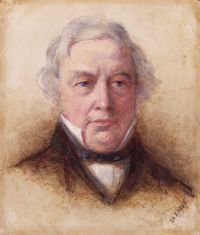
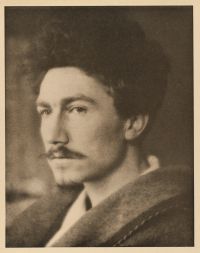
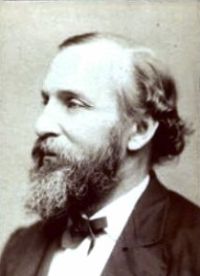
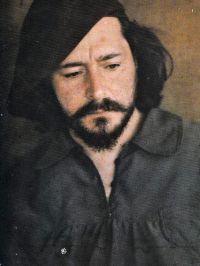
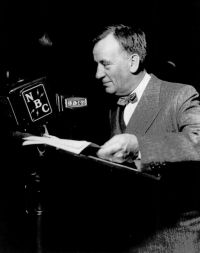
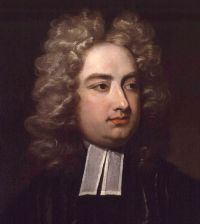
The concept of "oppressor" refers to an entity or individual exercising unjust control over others, often through force or systemic inequality. Writers have long engaged with this theme, examining its ethical and social consequences. John Greenleaf Whittier portrayed oppression as bound by "laws of unchanging justice," while John Buchan illustrated the paradox of those who become "servants of the dominant.
" Moyle Sherer pointed out how efforts to oppose tyranny can unintentionally reinforce it, and Robert Green Ingersoll observed the recurring pattern of freedom and subjugation. Patrick Henry raised the question of whether those in power ever surrender it willingly, and Bernard Shaw stressed humanity’s continuous struggle against personal control. These differing viewpoints highlight the theme’s lasting significance in literature as a means of analyzing authority, ethics, and defiance.