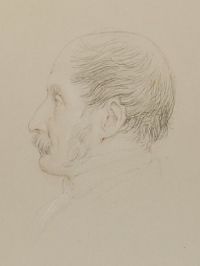
John Gough Nichols

Biographical details

Portrait of John Gough Nichols John Gough Nichols,  ../../ (1852)

“ It was this Beatrice who was destined to convey the dignity of a comte to the man who might win her in marriage. Her grandmother, Emma, was still living, and it was by her advice, being an English woman, that a husband was selected in the English court for the future comtesse of Guisnes. The nobleman of her choice was Aubrey de Vere, son of Aubrey the king's chamberlain. ”
Source: Wikisource

Portrait of John Gough Nichols John Gough Nichols,  Chronicle of the Grey friars of London (1852)

“ An historical antiquary would receive little thanks if he ventured to brush rudely against the hallowed dew of so much loyal poetry and pious enthusiasm. Still, it will be evident from the preceding statement of facts that king Edward had very little to do with the foundation of Christ's Hospital. Both the house itself, and the revenues for its support, came from his predecessor, or were raised by the bounty of the citizens themselves; and we do not trace any thing bestowed upon it in Edward's letters patent beyond the name by which it should be known. ”
Source: Wikisource

Portrait of John Gough Nichols John Gough Nichols,  Chronicle of the Grey friars of London (1852)

“ Sir Walter Hungerford of Farleigh Castle (afterwards Lord Hungerford of Heytesbury) is the only person in the entire Hungerford history upon whom the least probability of connexion with the story can be attached. To him there is this great objection in limine, that he was certainly not murdered by his wife in 1523, because he was beheaded in 1541. But it will be observed that our Chronicle merely records the fact of the lady's execution, and that the crime for which she is stated to have suffered was inserted by Stowe from some other authority. ”
Source: Wikisource

Get perspective with Kwize: daily news enlightened by great literature