Norman Bentwich

Biographical details

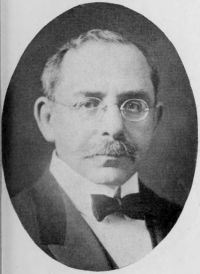
Portrait of Norman Bentwich Norman Bentwich Philo-Judæus of Alexandria

At times the Divine enthusiasm causes Philo, like many a Jewish saint and like his master Plato, to scorn all bodily limitations and recommend "insensibility" [273] by which he means that man should crush his physical desires and repress his feelings. Not that the good life seems to him to imply absence of pleasure. On the contrary, it is filled with the purest of joy, for when man rises to the love of God "in calm of mind, all passion spent," then and then alone has he tasted true joyousness. The symbol of this bliss is Isaac , the laughter of the soul.
Source: Gutenberg

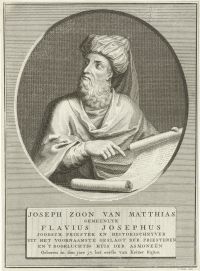
Portrait of Norman Bentwich Norman Bentwich Josephus

But he wrote something that has lived; and for what he wrote, if not for what he was, he has a niche in the literary treasure house of the Jewish people as well as in the annals of general history. As a man, if he cannot inspire, he may at least stand as a warning against that facile subservience to external powers and that fatal assimilation of foreign thought which at once destroy the individuality of the Jew and deprive him of his full humanity.
Source: Gutenberg

Portrait of Norman Bentwich Norman Bentwich Philo-Judæus of Alexandria

To him, as to Plato and Aristotle, the law was the outward register of the moral ideal; the "word-and-deed symbols" of ceremonial and prayer were emblems indeed of moral principles, but at the same time they had an intrinsic value, in that they impressed these principles upon the mind, and brought belief and action into harmony. "Religion is law, not philosophy," said Hobbes. With Philo, religion is law and philosophy. Thus the love of the Torah is of the essence of his religious thought.
Source: Gutenberg

Get perspective with Kwize: daily news enlightened by great literature