Portal:Bureau of Air Commerce

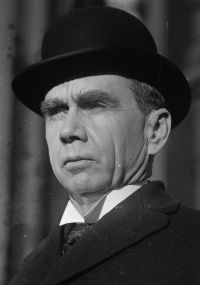
Biographical details

Portal:Bureau of Air Commerce Aviation Accident Report: 1934 Braniff Airways crash (1935)

Observers on the ground heard the plane pass ever the field headed east and, from the sound, the engine was functioning normally. The wreckage was found at a point about four and one-half miles east of the airport and indicated that the pilot had turned back, probably to effect a landing. The plane had flown into a road embankment with the engine full on and the force of impact had practically disintegrated the plane.
Source: Wikisource

Portal:Bureau of Air Commerce Aviation Accident Report: 1934 Rapid Airlines crash (1935)

The pilot entered the fog area at an altitude scarcely above the highest hills in the vicinity. Why he elected to stay low and to circle at such an altitude in a fog bound area is a matter of conjecture. There was nothing to indicate that the plane was not functioning properly. Kansas City, the destination remained open all night with light rain and a ceiling of 1000 to 1200 feet. Had the pilot been advised, the weather encountered could not have been considered hazardous to a through flight from Omaha to Kansas City, as called for in the pilot's clearance.
Source: Wikisource

Portal:Bureau of Air Commerce Aviation Accident Report: TWA Flight 6… (1935)

By actual test, under the supervision of the Department of Commerce, this amount of fuel ran engines of the same type and service in an identical airplane for a period of 22 minutes with the carburetor set for maximum fuel consumption. These facts and computations indicate that the pilot was faced with the necessity of locating the Kirksville field and effecting a landing there within a matter of minutes. His realization of this emergency, as indicated by the precautions taken just before the accident, probably accounts for his dying declaration that he was "out of gas".
Source: Wikisource

Get perspective with Kwize: daily news enlightened by great literature