“ Suffolk tried in vain to soothe her fears. She refused to listen, and brought him to his knees with the announcement that unless he would wed her there and then, she would continue to believe that he had come only to entice her back to England and force her into marriage with Charles. What was the poor Duke to do, between his promise to Henry and the pleading of Mary? He did what every other man with a heart in his breast and warm blood in his veins would have done, he cast prudence to the winds and secretly married the woman he loved. ”
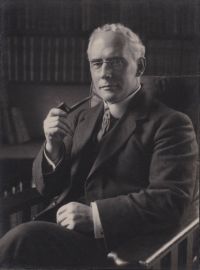
A. F. Pollard
Summary
A. F. Pollard’s Henry VIII examines the turbulent reign of England’s sixth monarch, focusing on his political conflicts, marital crises, and the dismantling of the monastic system. The work highlights key figures such as Cardinal Wolsey, Parliament, and foreign envoys like Chapuys, tracing Henry’s determined quest for power and his disputed divorce from Catherine of Aragon.
Themes of authority, devotion, and the tension between state control and religious belief run throughout the narrative, reinforced by Pollard’s analysis of Henry’s practical yet ethically nuanced leadership. The text illustrates how his rule transformed England’s constitutional and religious framework, leaving a legacy of ambition and national evolution.
Quotes from Henry VIII (A. F. Pollard)
“ The storm cleared the air and dissipated many a pestilent vapour, but it left a trail of wreck and ruin over the land. The nation purchased political salvation at the price of moral debasement; the individual was sacrificed on the altar of the State; and popular subservience proved the impossibility of saving a people from itself. Constitutional guarantees are worthless without the national will to maintain them; men lightly abandon what they lightly hold; and, in Henry's reign, the English spirit of independence burned low in its socket, and love of freedom grew cold. ”
“ He was never betrayed by passion or enthusiasm into rash adventures, and he loved the substance, rather than the pomp and circumstance of power. Untrammelled by scruples, unimpeded by principles, he pursued with constant fidelity the task of his life, to secure the throne for himself and his children, to pacify his country, and to repair the waste of the civil wars. Folly easily glides into war, but to establish a permanent peace required all Henry's patience, clear sight and far sight, caution and tenacity. ”
