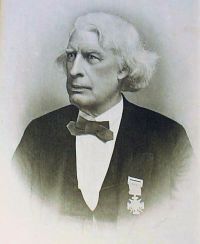
Albert Mackey

Albert Mackey

Summary

Portrait of Albert Mackey Albert Mackey The Principles of Masonic Law… (1856 | portal)

Speaking on this subject, Brother Albert Pike, in his report to the Grand Lodge of Arkansas, says "if a person appeals to us as a Mason in imminent peril, or such pressing need that we have not time to inquire into his worthiness, then, lest we might refuse to relieve and aid a worthy Brother, we must not stop to inquire as to anything."
Source: Wikisource

Portrait of Albert Mackey Albert Mackey The Principles of Masonic Law… (1856 | portal)

The work of the lodge is not to be shared by those who have thrown aside their aprons and their implements, and abandoned the labors of the Temple--the funds of the lodge are to be distributed only among these who are aiding, by their individual contributions, to the formation of similar funds in other lodges.
But from the well-known and universally-admitted maxim of "once a Mason, and always a Mason," it follows that a demitted Brother cannot by such demission divest himself of all his masonic responsibilities to his Brethren, nor be deprived of their correlative responsibility to him.
Source: Wikisource

Portrait of Albert Mackey Albert Mackey The Principles of Masonic Law… (1856 | portal)

An unaffiliated Mason is one who is not connected by membership with any lodge. There can be no doubt that such a position is contrary to the spirit of our institution, and that affiliation is a duty obligatory on every Mason. The Old Charges, which have been so often cited as the fundamental law of Masonry, say on this subject: "every Brother ought to belong to a lodge and to be subject to its bye-laws and the General Regulations."
Source: Wikisource

Get perspective with Kwize: daily news enlightened by great literature