Summary

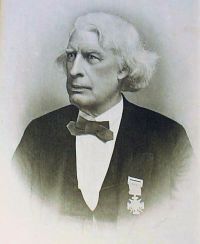
Portrait of Albert Mackey Albert Mackey The Symbolism of Freemasonry — Chapter IV (1882)

While, therefore, in those early ages of the world, we find the masses grovelling in the intellectual debasement of a polytheistic and idolatrous religion, with no support for the present, no hope for the future,--living without the knowledge of a supreme and superintending Providence, and dying without the expectation of a blissful immortality,--we shall at the same time find ample testimony that these consoling doctrines were secretly believed by the philosophers and their disciples.
Source: Wikisource

Portrait of Albert Mackey Albert Mackey The Symbolism of Freemasonry — Chapter IV (1882)

Faber, who, notwithstanding the predominance in his mind of a theory which referred every rite and symbol of the ancient world to the traditions of Noah, the ark, and the deluge, has given a generally correct view of the systems of ancient religion, describes the initiation into the Mysteries as a scenic representation of the mythic descent into Hades, or the grave, and the return from thence to the light of day.
Source: Wikisource

Portrait of Albert Mackey Albert Mackey The Symbolism of Freemasonry — Chapter IV (1882)

The candidate was taught that the multitudinous deities of the popular theology were but hidden symbols of the various attributes of the supreme god,--a spirit invisible and indivisible,--and that the soul, as an emanation from his essence, could "never see corruption," but must, after the death of the body, be raised to an eternal life.
Source: Wikisource

Get perspective with Kwize: daily news enlightened by great literature