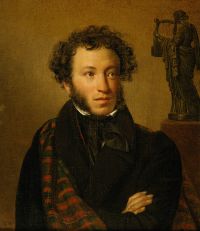
Alexander Pushkin

Alexander Pushkin

Summary

Portrait of Alexander Pushkin Alexander Pushkin Boris Godunov (1918)

The son of Kurbsky, nurtured in exile, Forgetting all the wrongs borne by thy father, Redeeming his transgression in the grave, Ready art thou for the son of great Ivan To shed thy blood, to give the fatherland Its lawful tsar. Righteous art thou; thy soul Should flame with joy. KURBSKY. And dost not thou likewise Rejoice in spirit? There lies our Russia; she Is thine, tsarevich! There thy people's hearts Are waiting for thee, there thy Moscow waits, Thy Kremlin, thy dominion. PRETENDER. Russian blood, O Kurbsky, first must flow! Thou for the tsar Hast drawn the sword, thou art stainless
Source: Wikisource

Portrait of Alexander Pushkin Alexander Pushkin Boris Godunov (1918)

GREGORY. Not I. MONK. Hearken; our folk are dull of brain, Easy of faith, and glad to be amazed By miracles and novelties. The boyars Remember Godunov as erst he was, Peer to themselves; and even now the race Of the old Varyags is loved by all. Thy years Match those of the tsarevich. If thou hast Cunning and hardihood-- Dost take me now? GREGORY. I take thee. MONK. Well, what say'st thou? GREGORY. 'Tis resolved. I am Dimitry, I tsarevich! MONK. Give me Thy hand, my bold young friend. Thou shalt be tsar!
Source: Wikisource

Portrait of Alexander Pushkin Alexander Pushkin Boris Godunov (1918)

A maiden weeps as the dew falls; the sun will rise, will dry the dew. Thou wilt have another bridegroom--and handsome and affable. My charming child, thou wilt learn to love him, thou wilt forget Ivan the king's son. KSENIA. Nay, nurse, I will be true to him even in death. (Boris enters.) TSAR. What, Ksenia? What, my sweet one? In thy girlhood Already a woe-stricken widow, ever Bewailing thy dead bridegroom! Fate forbade me To be the author of thy bliss. Perchance I angered Heaven; it was not mine to compass Thy happiness. Innocent one, for what Art thou a sufferer?
Source: Wikisource

Get perspective with Kwize: daily news enlightened by great literature