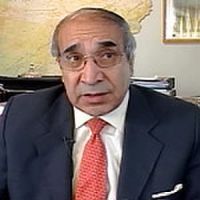
Ali Ahmad Jalali

Ali Ahmad Jalali

Summary

Portrait of Ali Ahmad Jalali Ali Ahmad Jalali The Other Side of the Mountain… (1995)

The attackerswere not very aggressive, probably as a result of their fear of minesand anti-tank weapons. During the first two days, the Soviets repeated their attack sever-al times following the same scenario: artillery fire and air strikeswould hammer Mujahideen positions. Then the infantry and tankswould advance until they were stopped with withering fire at closequarter. They would then fall back. The tanks that were following theinfantry were very slow to advance, particularly when some tankswere hit and the infantry suffered casualties.
Source: Wikisource

Portrait of Ali Ahmad Jalali Ali Ahmad Jalali The Other Side of the Mountain… (1995)

We needed heavymachine guns, 82mm mortars and rockets. As we Mujahideen wereclosing to the Soviet positions, some 14 Soviet helicopters, includinggunships, arrived over the battlefield and began gun runs against us.We sustained heavy casualties and broke off the attack. The transporthelicopters landed and began lifting off the Soviet troops and flewthem away to Kabul.
Source: Wikisource

Portrait of Ali Ahmad Jalali Ali Ahmad Jalali The Other Side of the Mountain… (1995)

Although the Soviet/DRA forces overran manyMujahideen bases in Parwan and Kapisa Provinces, they failed todestroy the Mujahideen forces which slipped out of the cordon or wentunderground. The Mujahideen enjoyed freedom of movement andmaneuver in a large area until the Soviets and DRA finally penetrat-ed. The Soviet/DRA encirclement was very porous—as was the casewith so many large-scale cordon and search operations of the war—making it impossible to trap Mujahideen forces. The poor performanceby the Soviet infantry and tanks against a determined enemy costthem dearly.
Source: Wikisource

Get perspective with Kwize: daily news enlightened by great literature