Summary

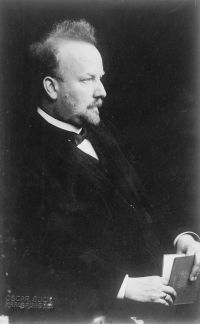
Portrait of Arthur Drews Arthur Drews The Witnesses to the Historicity of Jesus… (1912)

Here, again, it is to Isaiah, not to Jesus, that we must trace the sympathy with the poor, who unites pity and goodwill to the enslaved with anger against the rich and the oppressor, and has thus provided the basis of the philosophy of Christianity. When Wisdom describes the opponents of the Saviour and servant of God as being especially the wicked and unjust, it is merely developing the lesson of Isaiah, and declaring that they are the enemies of the poor and weak, the oppressors of the lower people, a proud, hypocritical, and self-righteous class
Source: Wikisource

Portrait of Arthur Drews Arthur Drews The Witnesses to the Historicity of Jesus… (1912)

The spirit of the Lord God is upon me; because the Lord hath anointed me to preach good tidings unto the meek; he hath sent me to bind up the broken-hearted, to proclaim liberty to the captives, and the opening of the prison to them that are bound; To proclaim the acceptable year of the Lord and the day of vengeance of our God; to comfort all that mourn.
Source: Wikisource

Portrait of Arthur Drews Arthur Drews The Witnesses to the Historicity of Jesus… (1912)

They who trust in him shall know the truth, and the faithful will remain with him in love. For grace and mercy shall be the part of his elect. But the godless shall be punished according to their deeds, who despised the just and rebelled against the Lord. In these words we clearly perceive the fundamental idea of the Christian mysteries. The love of the “Lord” and trust in him are for the good and just the conditions of their glorious exaltation and an eternal life with God after death: “For God has created man for immortality, and made him in the likeness of his own being.
Source: Wikisource

Get perspective with Kwize: daily news enlightened by great literature