Summary

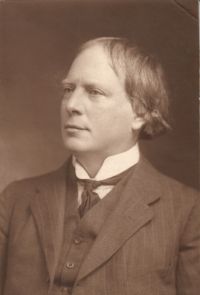
Portrait of Arthur Machen Arthur Machen The Shining Pyramid (collection… (1923)

It would, of course, be simple enough to construct a paganism of the rosy-wine order out of the bad behaviour of vicious people in big cities at a late period, but then these people were not in any true sense pagans. They were atheist debauchees, a class which has abounded in every corrupt and decadent civilisation; but it would be hard enough if we were to judge our own ages of faith by the conduct of the worst people in modern London and Paris, and so one must not take M. Louys's "Aphrodite" as a faithful presentation of pagan life and morals.
Source: Wikisource

Portrait of Arthur Machen Arthur Machen The Shining Pyramid (collection… (1923)

The doom of fated houses, the doom of pride, the doom of that satanic arrogance that could defy heaven itself, the doom of the Great King who trusted in his hosts and in their arms, the awful decrees of destiny—these were the topics of the dramatists, and one cannot very well conceive that the ears of a race of idle and sensual voluptuaries to whom morals were unknown would be tickled with such austere and dread discourse as this.
Source: Wikisource

Portrait of Arthur Machen Arthur Machen The Shining Pyramid (collection… (1923)

But when one leaves these periods of corruption and decay and practical atheism and goes back to the really representative time of old Greece, the time when the great Greek literature was being produced, it is really difficult to conceive how this utterly nonsensical idea of universal libertinism can have arisen. Let any one read the plays of Æschylus and Sophocles, and he will see how far were the true ideals of old Greece from that silly Pantomime Transformation Scene, all artificial flowers and red limes and bare legs, that some of us have devised for ourselves.
Source: Wikisource

Get perspective with Kwize: daily news enlightened by great literature