Summary

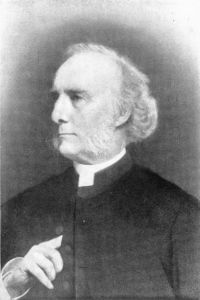
Portrait of Augustus Jessopp Augustus Jessopp The Trials of a Country Parson

You to talk of the parson’s narrowness and his bigotry and his cant? You to sneer at him for being the slave of a superstition? You to pose as the only thinkers with all the logic of all the philosophers on your side, all the logic and never a crumb of common sense to back it? Bigotry and intolerance and cant and class jealousy and scorn—that refuge for the intellectually destitute and the blustering coward—where will you find them in all their most bitter and sour and hateful intensity, if not among the new lights, the self-styled economists?
Source: Gutenberg

Portrait of Augustus Jessopp Augustus Jessopp The Trials of a Country Parson

It is often asked, Ought clergymen ever to be rich men? Is not a rich clergyman out of place in a country parsonage? Does not his wealth raise him too far above the level of his people? Does it not make him sit loosely to his duties? Does not the fact of a country parson being known to be a rich man tend to demoralize a parish?
Source: Gutenberg

Portrait of Augustus Jessopp Augustus Jessopp The Trials of a Country Parson

Imagine a postman or a prime minister, a clerk in the Custom House or the captain of a man-of-war, an assistant in a draper’s shop or your own gardener, having an estate for life in his office, and being able to draw his pay to his dying day, though he might be for years blind and deaf and paralyzed and imbecile—so incapable, in fact, that he could not even appoint his own deputy, or so indifferent that he cared not whether there was any deputy to discharge the duties which he himself was paid to perform.
Source: Gutenberg

Get perspective with Kwize: daily news enlightened by great literature