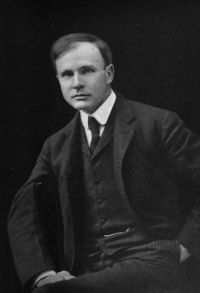
A. S. Packard,
Our Common Insects
A. S. Packard,
Our Common Insects
“ She does not wait, however, for one brood to be hatched before laying the eggs of another, but, as soon as food enough has been collected, she lays the eggs for a second. The eggs are laid, in contact with each other, in one cavity of the mass of pollen, with a part of which they are slightly covered. They are very soon developed; in fact, the lines are nowhere distinctly drawn between the egg and the larva, the larva and pupa, and again between the latter and the imago; a perfect series, showing this gradual transformation of the young to the imago can be found in almost every nest. ”