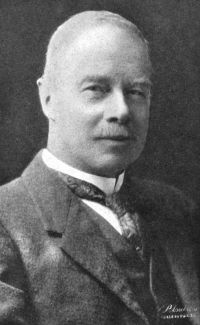
 George Vernon Hudson,
An Elementary Manual of New Zealand Entomology…
(1892)
George Vernon Hudson,
An Elementary Manual of New Zealand Entomology…
(1892)
“ The first requisite is a definition of what constitutes an INSECT.An Insect is an articulate animal having the body divided into three distinct divisions, viz., the HEAD (Fig. I. A) , the THORAX (B) , and the ABDOMEN (C) . It is furnished with three pairs of legs, and generally has two pairs of wings, and to acquire this structure the creature passes through several changes, termed its metamorphoses. The head exhibits no distinct divisions, but bears the following appendages: the eyes, antennæ, and organs of the mouth, or trophi. ”
