Benefice

Definition and stakes

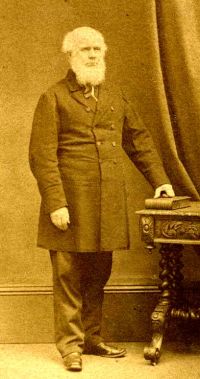
Portrait of John Foxe John Foxe,  The Acts and Monuments of John Foxe (1837)

“ I desire you heartily, be not greedy in seeking after benefices. And yet if you shall be called to any cure in the country, let the honour of God, the salvation of souls, and the travail thereof, move you thereunto, and not the having of the living or the commodities thereof. And if you shall be placed in any such benefice, beware you have no young woman for your cook or servant, lest you edify and increase more your house than your soul. ”
Source: Wikisource

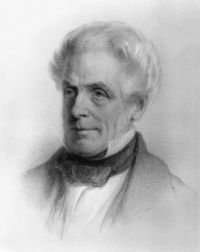
Portrait of Richard Chenevix Trench Richard Chenevix Trench,  A select glossary of English words used formerly in senses different from their present (1890)

“ Rogers, Naamam the Syrian, p. 30.
[In Middle English benefice often occurs in the senses of kindness, favour, benefit, a gift, gratuity.] Persons are not now ‘beneficial,’ which word is reserved for things, but ‘beneficent.’
The benefices that God did tham here
Sal tham accuse on sere manere. Richard Rolle de Hampole, Pricke of Conscience, 5582.
Nowe thanne, Lord, Thou art God, and hast spoke to thy servant so grete benefices.—1 Chron. xvii. 26. Wiclif.
The proper nature of God is always to be helpful and beneficial.—Holland, Plutarch’s Morals, p. 600.
”
Source: Gutenberg

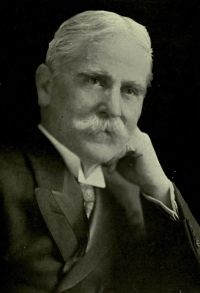
Portrait of William Kingdon Clifford William Kingdon Clifford,  The Scientific Basis of Morals…

“ Now here the great social heirloom consists of two parts: the instinct of beneficence, which makes a certain side of our nature, when predominant, wish to do good to men; and the intellectual conception of beneficence, which we can compare with any proposed course of conduct and ask, ‘Is this beneficent or not?’ By the continual asking and answering of such questions the conception grows in [34] breadth and distinctness, and the instinct becomes strengthened and purified. ”
Source: Gutenberg

Get perspective with Kwize: daily news enlightened by great literature