“ Aaron, my dear husband, I have known for some time past that you have a sorrow which one day you will ask me to share. How have I known it? I cannot tell, but it is clear to me. You have not had a joy in your life apart from me. It is my right, is it not, to share your sorrows?""It is your right, Rachel, and you shall share them. I have not been without my errors; once in the past my footsteps strayed, but in the straying I inflicted suffering upon no human being.""Of that I am sure, my love. It is human to err, but it is not in your nature to inflict suffering or commit an injustice. ”
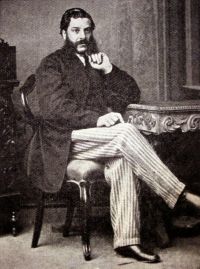
B. L. Farjeon
Summary
B. L. Farjeon’s A Fair Jewess is a novel that explores moral conflict and personal sacrifice through the lives of its central characters, including Aaron Cohen and his wife Rachel. Set against themes of suffering, disgrace, and the search for happiness, the narrative delves into the tension between individual principles and societal judgment.
The text examines the interconnected destinies of love and responsibility, as seen in Aaron’s inner turmoil and his dedication to Rachel’s welfare, especially as their child’s survival becomes crucial to her own. Farjeon’s work captures the relationship between human vulnerability and the desire for atonement, portraying personal integrity as both a weight and a moral necessity.
Quotes from A Fair Jewess (B. L. Farjeon)
“ Speak low, or Rachel may overhear us.""You do not see many papers, Cohen?""Not many.""I hardly like to tell you," said Mr. Moss, "but you will be sure to hear of it to-morrow. They never spare a man who is down. For God's sake, Cohen, don't blame me; I've never opened my lips--I'd have cut my tongue out first.""Let me know the worst," said Aaron. "It relates to me, I see. As for blaming you, set your mind at ease. You have been too good a friend to me to do anything to distress me. Come, shake hands. Whatever it is I can bear it like a man, I hope. I have passed through the fire." ”
“ Whimpole gazed at Aaron Cohen to discover if there was any trace of mockery in his face, but Aaron was perfectly grave and serious."A man's humility," said Mr. Whimpole, raising his eyes to the ceiling, "his sense of humbleness, would prevent him from making this record for himself. It has to be left to others to do it when they have found him out.""Aha, my dear sir!" said Aaron softly, "when they have found him out. True! true! but how few of us are! How few of us receive our just reward! How few of us, when we are in our graves, receive or deserve the tribute, 'Here lies a perfect man'! ”
