Summary

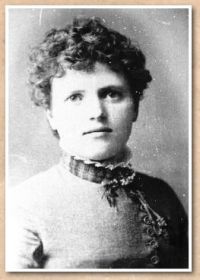
Portrait of B. M. Bower B. M. Bower The eagle's wing: A story of the Colorado (1924)

The Eagle saw how men looked upon the river, drew back in awe and ventured to look again; men, who should be the masters of the river. The Eagle lifted and spread his wings. And the tip of a wing reached over the desert land and laid its shadow across the Colorado.
A great orator had painted it so, and Rawley was thinking of that picture of the Eagle as he drove down the canyon to the very brink of the river and climbed out of his car. Still desolate, more forsaken than ever was the place where El Dorado had stood alive, alert, self-sufficient. The camp was gone, almost forgotten.
Source: Gutenberg

Portrait of B. M. Bower B. M. Bower The eagle's wing: A story of the Colorado (1924)

Nevada sobered. “It’s such a big, untamed land,” she dreamed aloud, her young eyes on the river, as Anita’s had been. “If you don’t dream splendidly, you somehow feel that you’re too small for the desert. It’s a land of splendid visions, Fifth Cousin. Never mind if they don’t come true. They’re like the sunsets and the sunrises. They live, and they die, and they live again, on and on—forever.”
Source: Gutenberg

Portrait of B. M. Bower B. M. Bower The eagle's wing: A story of the Colorado (1924)

Young Jess, too, had pulled the splendid vision down to his dull understanding. Young Jess, low-browed, sullen, would like to throw the gold with both hands into the lap of brutish gratifications. Young Jess was a gambler by nature, Rawley gleaned. He must never be let loose in a town, because he would have to be hauled out in a drunken torpor, his pockets empty, his credit strained, his soul fresh blotted by vice. Young Jess had “sprees”; from Gladys Rawley learned that. So Young Jess was kept on a leash of family watchfulness.
Source: Gutenberg

Get perspective with Kwize: daily news enlightened by great literature