Summary

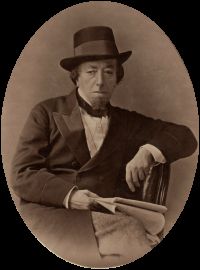
Portrait of Benjamin Disraeli Benjamin Disraeli Tancred — Chapter LV. Capture of a Harem (1847)

The eye of the young Emir glittered with triumph as he listened to the oily sentences of the eunuch. 'Lebanon,' he whispered, 'is the key of Syria, my Keferinis, never forget that; and we will lock up the land. Let us never sleep till this affair is achieved. You think she does not dream of a certain person, eh? I tell you, he must go, or we must get rid of him: I fear him not, but he is in the way; and the way should be smooth as the waters of El Arish. Remember the temple to the Syrian goddess at Deir el Kamar, my Keferinis! The religion is half the battle.
Source: Wikisource

Portrait of Benjamin Disraeli Benjamin Disraeli Tancred — Chapter LV. Capture of a Harem (1847)

Last night they brought part of a harem of the Pasha of Aleppo captive hither. This may lead to events.'
'I have already ventured to observe to the lordly Keferinis,' said Fakredeen, 'that every lance in the Lebanon is at your command, gracious Queen.'
'We have lances,' said Astarte; 'it is not of that I was thinking. Nor indeed do I care to prolong a quarrel for this capture. If the Pasha will renounce the tribute of the villages, I am for peace; if he will not, we will speak of those things of which there has been counsel between us.
Source: Wikisource

Portrait of Benjamin Disraeli Benjamin Disraeli Tancred — Chapter LV. Capture of a Harem (1847)

Astarte had signified to Tancred her wish that he should approach her, while Keferinis at some distance was engaged in earnest conversation with Fakredeen, with whom he had not had previously the opportunity of being alone. His report of all that had transpired in his absence was highly favourable. The minister had taken the opportunity of the absence of the Emir and his friend to converse often and amply about them with the Queen. The idea of an united Syria was pleasing to the imagination of the young sovereign.
Source: Wikisource

Get perspective with Kwize: daily news enlightened by great literature