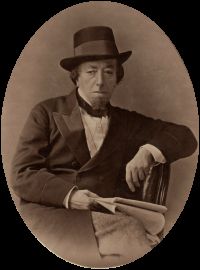
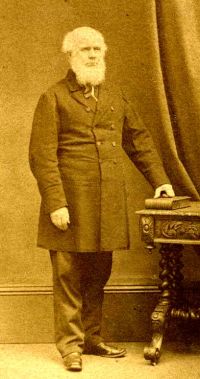
Lebanon, a sovereign state in the Near East, is a crossroads of history, culture, and geography, renowned for its rugged landscapes and intricate socio-political fabric. From ancient Phoenician roots to Ottoman rule and modern conflicts, its identity is shaped by resilience and diversity. Authors like Lewis Gaston Leary and George Rawlinson celebrated its natural splendor, portraying Lebanon’s mountains as life-giving and scenic, while Benjamin Disraeli emphasized its distinctive vitality compared to other mountain ranges.
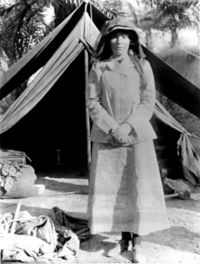
Alexander Aaronsohn highlighted its cultural duality, pointing to French influence and the Maronites’ dedication, and Gertrude Bell contrasted its fertile hills with barren deserts. These varied perspectives collectively underscore Lebanon’s enduring role as a symbol of both natural beauty and human complexity, reflecting its multifaceted history and contested present.