Summary

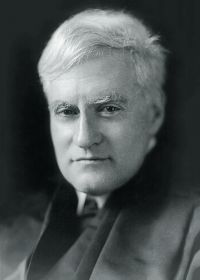
Portrait of Benjamin N. Cardozo Benjamin N. Cardozo Clark v. United States (289 U.S. 1…

A privilege surviving until the relation is abused and vanishing when abuse is shown to the satisfaction of the judge has been found to be a workable technique for the protection of the confidences of client and attorney. Is there sufficient reason to believe that it will be found to be inadequate for the protection of a juror? No doubt the need is weighty that conduct in the jury room shall be untrammeled by the fear of embarrassing publicity.
Source: Wikisource

Portrait of Benjamin N. Cardozo Benjamin N. Cardozo Clark v. United States (289 U.S. 1…

Assuming that there is a privilege which protects from impertinent exposure the arguments and ballots of a juror while considering his verdict, we think the privilege does not apply where the relation giving birth to it has been fraudulently begun or fraudulently continued. Other exceptions may have to be made in other situations not brought before us now. It is sufficient to mark the one that is decisive of the case at hand. The privilege takes as its postulate a genuine relation, honestly created and honestly maintained.
Source: Wikisource

Portrait of Benjamin N. Cardozo Benjamin N. Cardozo Clark v. United States (289 U.S. 1…

Concealment or misstatement by a juror upon a voir dire examination is punishable as a contempt if its tendency and design are to obstruct the processes of justice.
There was concealment by the petitioner, and that willful and deliberate. She had been asked to state the kinds of work that she had been doing in other years. She counted off a few, and checked herself at the very point where the count, if completed, would be likely to bar her from the box. There is no room for the excuse of oversight or negligence.
Source: Wikisource

Get perspective with Kwize: daily news enlightened by great literature