Summary

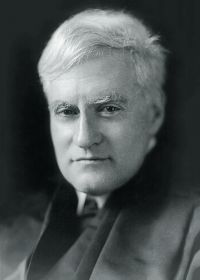
Portrait of Benjamin N. Cardozo Benjamin N. Cardozo Morley Const Company v. Maryland Casualty Company…

True, the relief proper to the theory accepted at the trial is almost as favorable from the view-point of the protection of the surety as the one adopted on appeal, though distinctly less burdensome from the view-point of the principal. Exoneration is not the same as specific performance, but it is not very different, and may be nearly, if not quite, as good.
Source: Wikisource

Portrait of Benjamin N. Cardozo Benjamin N. Cardozo Morley Const Company v. Maryland Casualty Company…

The decree conforms to the findings in its distribution of relief. It adjudges the complainant to be entitled to exoneration but not to specific performance. The proceeds of the warrant are to be placed in a bank to be chose by the contractor, the deposit to be 'designated as a special trust fund for the payment of bills for labor and material used on the United States Veterans Hospital in Batavia, New York.' No provision is made that the surety, or indeed any one other than the contractor, shall have any control thereof.
Source: Wikisource

Portrait of Benjamin N. Cardozo Benjamin N. Cardozo Morley Const Company v. Maryland Casualty Company…

It says that it is entitled to the specific performance of the supplementary agreement and to a decree depositing the warrant in the trust company at Buffalo to be applied upon the joint account. It says also that by reason of the unpaid bills of materialmen and laborers there is a duty on the part of the contractor to exonerate the surety from loss or liability and to apply the warrant to that purpose. Finally, it makes claim to a right of subrogation to the position of the contractor over against the Government, a claim which apparently has been abandoned and will not engage us further.
Source: Wikisource

Get perspective with Kwize: daily news enlightened by great literature