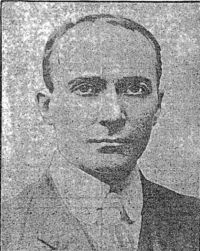
Carlo de Fornaro

Carlo de Fornaro

Summary

Portrait of Carlo de Fornaro Carlo de Fornaro A Modern Purgatory

The sun streaming through the narrow bars gives the gloomy prison almost a bright appearance. Hastily I put on my street clothes. I feel like a man putting on a strange, exotic costume for a fancy dress ball; the collar and necktie seem to choke me with a kind of joy and affection. Accompanied by my lawyer, I walk out of the fateful gates, and then I turn to look back, and to glance upwards to the hospital windows where the patients and the old keeper wave a friendly salute and farewell.
Source: Gutenberg

Portrait of Carlo de Fornaro Carlo de Fornaro A Modern Purgatory

A prison term, which is supposed to reform them and to break their wills, is only a school for criminality, a higher school or university for the underworld, where confidences are exchanged, new alliances are formed, diseases and homosexual habits contracted. The spirit is tempered for future criminal records, instead of being broken, and the body strengthened for coming excesses.
The line of convicts which upon their release streams out of our prisons, is like a large sewer emptying its filth back into society; slowly corrupting, demoralizing and polluting everything it touches.
Source: Gutenberg

Portrait of Carlo de Fornaro Carlo de Fornaro A Modern Purgatory

My companion is a voluble and incessant gossip; his knowledge of jails, penitentiaries, and court procedure is amazing; he is a perfect walking prison encyclopedia. Nearly forty years old, he has passed twenty years behind the bars, either in Sing Sing, the Island Penitentiary or the Tombs. Very pale, clean shaven, rather plump, he speaks in a harsh whisper which gives a disagreeable impression of his uncanny knowledge; when he inquires or talks about the outside world he is like a child seeking knowledge about a strange, far-away land.
Source: Gutenberg

Get perspective with Kwize: daily news enlightened by great literature