Summary

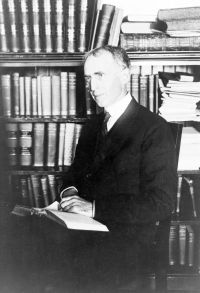
Portrait of Charles A. Beard Charles A. Beard An Economic Interpretation of the Constitution of the United States… (1913)

While these qualifications operated to exclude a large portion of the adult males from participating in elections, the wide distribution of real property created an extensive electorate and in most rural regions gave the legislatures a broad popular basis. [15] Far from rendering to personal property that defence which was necessary to the full realization of its rights, these qualifications for electors admitted to the suffrage its most dangerous antagonists: the small farmers and many of the debtors who were the most active in all attempts to depreciate personalty by legislation.
Source: Wikisource

Portrait of Charles A. Beard Charles A. Beard An Economic Interpretation of the Constitution of the United States… (1913)

The election law which then governed the suffrage in Delaware was the act of 1734 which enfranchised freeholders owning "fifty acres of land, with twelve acres cleared and improved, or otherwise worth £40 lawful money." [10]
The first constitution of Pennsylvania established in 1776 was the work of a radical party, and it provided for a single chambered legislature based on a widely extended suffrage. "Every freeman of the full age of twenty-one years," runs the instrument, "having resided in this state for the space of one whole year.
Source: Wikisource

Portrait of Charles A. Beard Charles A. Beard An Economic Interpretation of the Constitution of the United States… (1913)

Like the neighboring state of Rhode Island, which sent no delegates to Philadelphia, Connecticut had continued after the Revolution under the old royal charter form of government without taking the trouble to draft a constitution. Under this old system, the suffrage was restricted to holders of real or personal property of a certain value. According to McKinley, "The forty-shilling freehold, translated later into seven dollars income from land, was retained as one of the alternative qualifications of the suffrage until the amendment in 1845 of the constitution of 1818."
Source: Wikisource

Get perspective with Kwize: daily news enlightened by great literature