Summary

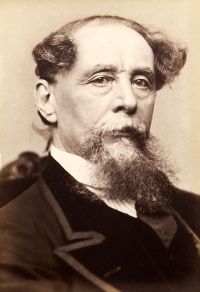
Portrait of Charles Dickens Charles Dickens A Child's History of England — Chapter 27 (1900)

She might have known that, even when he was in love with her, he had been a mean and selfish coward, running away, like a frightened cur, from her society and her house, when a dangerous sickness broke out in it, and when she might easily have taken it and died, as several of the household did. But, Anne Boleyn arrived at all this knowledge too late, and bought it at a dear price. Her bad marriage with a worse man came to its natural end.
Source: Wikisource

Portrait of Charles Dickens Charles Dickens A Child's History of England — Chapter 27 (1900)

Anne Boleyn, the pretty little girl who had gone abroad to France with his sister, was by this time grown up to be very beautiful, and was one of the ladies in attendance on Queen Catherine. Now, Queen Catherine was no longer young or handsome, and it is likely that she was not particularly good-tempered; having been always rather melancholy, and having been made more so by the deaths of four of her children when they were very young. So, the King fell in love with the fair Anne Boleyn, and said to himself, "How can I be best rid of my own troublesome wife whom I am tired of, and marry Anne?"
Source: Wikisource

Portrait of Charles Dickens Charles Dickens A Child's History of England — Chapter 27 (1900)

When King Henry was making ready to renew the war in France, the French King was contemplating peace. His queen, dying at this time, he proposed, though he was upwards of fifty years old, to marry King Henry's sister, the Princess Mary, who, besides being only sixteen, was betrothed to the Duke of Suffolk. As the inclinations of young Princesses were not much considered in such matters, the marriage was concluded, and the poor girl was escorted to France, where she was immediately left as the French King's bride, with only one of all her English attendants.
Source: Wikisource

Get perspective with Kwize: daily news enlightened by great literature