Summary

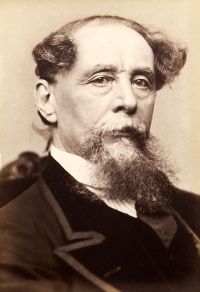
Portrait of Charles Dickens Charles Dickens A Child's History of England — Chapter 29 (1900)

The Princess Mary, who inherited her mother's gloomy temper, and hated the reformed religion as connected with her mother's wrongs and sorrows—she knew nothing else about it, always refusing to read a single book in which it was truly described—held by the unreformed religion too, and was the only person in the kingdom for whom the old Mass was allowed to be performed; nor would the young King have made that exception even in her favor, but for the strong persuasions of Cranmer and Ridley.
Source: Wikisource

Portrait of Charles Dickens Charles Dickens A Child's History of England — Chapter 29 (1900)

Many other noblemen, who only wanted to be as proud if they could get a chance, became his enemies of course; and it is supposed that he came back suddenly from Scotland because he had received news that his brother, Lord Seymour, was becoming dangerous to him. This lord was now High Admiral of England: a very handsome man, and a great favorite with Court ladies—even with the young Princess Elizabeth, who romped with him a little more than the young Princesses in these times do with any one.
Source: Wikisource

Portrait of Charles Dickens Charles Dickens A Child's History of England — Chapter 29 (1900)

On the sixth of July, in the year one thousand five hundred and fifty-three, he died, very peaceably and piously, praying God, with his last breath, to protect the reformed religion.
This King died in the sixteenth year of his age, and in the seventh of his reign. It is difficult to judge what the character of one so young might afterwards have become among so many bad, ambitious, quarrelling nobles.
Source: Wikisource

Get perspective with Kwize: daily news enlightened by great literature