Summary

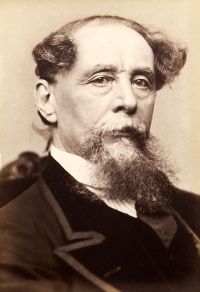
Portrait of Charles Dickens Charles Dickens A Child's History of England — Chapter 36 (1900)

In going to these extremities, every man of sense and judgment among the Catholics, from the Pope to a porter, knew that the King was a mere bigoted fool, who would undo himself and the cause he sought to advance; but he was deaf to all reason, and, happily for England ever afterwards, went tumbling off his throne in his own blind way.
Source: Wikisource

Portrait of Charles Dickens Charles Dickens A Child's History of England — Chapter 36 (1900)

Then the wretched head at last fell off, and James, Duke of Monmouth, was dead, in the thirty-sixth year of his age. He was a showy graceful man, with many popular qualities, and had found much favor in the open hearts of the English.
The atrocities, committed by the Government, which followed this Monmouth rebellion, form the blackest and most lamentable page in English History. The poor peasants, having been dispersed with great loss, and their leaders having been taken, one would think that the implacable King might have been satisfied.
Source: Wikisource

Portrait of Charles Dickens Charles Dickens A Child's History of England — Chapter 36 (1900)

The atrocities committed by these demons in human shape are far too horrible to be related here. It is enough to say, that besides most ruthlessly murdering and robbing them, and ruining them by making them buy their pardons at the price of all they possessed, it was one of Kirk's favorite amusements, as he and his officers sat drinking after dinner, and toasting the King, to have batches of prisoners hanged outside the windows for the company's diversion
Source: Wikisource

Get perspective with Kwize: daily news enlightened by great literature