Summary

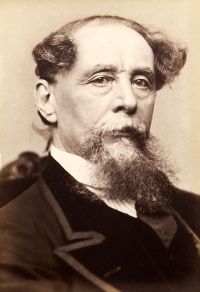
Portrait of Charles Dickens Charles Dickens Dombey and Son — Chapter 55 Rob the Grinder loses his Place

He had no more influence with them, in this regard, than if they had been another man's. It was not that they forced him to take note of present sounds and objects, but that they would not be diverted from the whole hurried vision of his journey. It was constantly before him all at once. She stood there, with her dark disdainful eyes again upon him; and he was riding on nevertheless, through town and country, light and darkness, wet weather and dry, over road and pavement, hill and valley, height and hollow, jaded and scared by the monotony of bells and wheels, and horses' feet, and no rest.
Source: Wikisource

Portrait of Charles Dickens Charles Dickens Dombey and Son — Chapter 55 Rob the Grinder loses his Place

And now the stars faded, and the day glimmered, and standing in the carriage, looking back, he could discern the track by which he had come, and see that there was no traveller within view, on all the heavy expanse. And soon it was broad day, and the sun began to shine on cornfields and vineyards; and solitary labourers, risen from little temporary huts by heaps of stones upon the road, were, here and there, at work repairing the highway, or eating bread.
Source: Wikisource

Portrait of Charles Dickens Charles Dickens Dombey and Son — Chapter 55 Rob the Grinder loses his Place

The same intolerable awe and dread that had come upon him in the night, returned unweakened in the day. The monotonous ringing of the bells and tramping of the horses; the monotony of his anxiety, and useless rage; the monotonous wheel of fear, regret, and passion, he kept turning round and round; made the journey like a vision, in which nothing was quite real but his own torment.
Source: Wikisource

Get perspective with Kwize: daily news enlightened by great literature