Summary

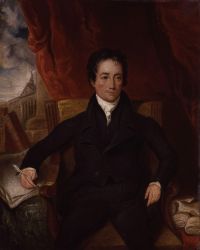
Portrait of Charles Lamb Charles Lamb Tales from Shakespeare — Romeo and Juliet (1908)

The noble form of man, he said, was but a shape of wax, when it wanted the courage which should keep it firm. The law had been lenient to him, that instead of death, which he had incurred, had pronounced by the prince's mouth only banishment. He had slain Tybalt, but Tybalt would have slain him: there was a sort of happiness in that. Juliet was alive, and (beyond all hope) had become his dear wife; therein he was most happy. All these blessings, as the friar made them out to be, did Romeo put from him like a sullen misbehaved wench.
Source: Wikisource

Portrait of Charles Lamb Charles Lamb Tales from Shakespeare — Romeo and Juliet (1908)

A crimson blush came over Juliet's face, yet unseen by Romeo by reason of the night, when she reflected upon the discovery which she had made, yet not meaning to make it, of her love to Romeo. She would fain have recalled her words, but that was impossible: fain would she have stood upon form, and have kept her lover at a distance, as the custom of discreet ladies is, to frown and be perverse, and give their suitors harsh denials at first; to stand off, and affect a coyness or indifference, where they most love, that their lovers may not think them too lightly or too easily won
Source: Wikisource

Portrait of Charles Lamb Charles Lamb Tales from Shakespeare — Romeo and Juliet (1908)

While they were settling this point, Juliet was repeatedly called for by her nurse, and went in and returned, and went and returned again, for she seemed as jealous of Romeo going from her, as a young girl of her bird, which she will let hop a little from her hand, and pluck it back with a silken thread; and Romeo was as loath to part as she; for the sweetest music to lovers is the sound of each other's tongues at night.
Source: Wikisource

Get perspective with Kwize: daily news enlightened by great literature