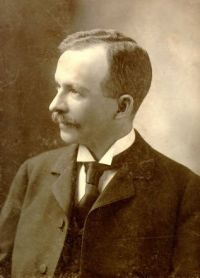
Charles W. Chesnutt

Charles W. Chesnutt

Summary

Portrait of Charles W. Chesnutt Charles W. Chesnutt Frederick Douglass (Chesnutt)… (1899)

O'Connell had denounced slavery in words of burning eloquence. The Garrisonian abolitionists advocated the separation of the free and slave States as the only means of securing some part of the United States to freedom. The American and Irish disunionists were united by a strong bond of sympathy. Douglass was soon referred to as "the black O'Connell," and lectured on slavery and on temperance to large and enthusiastic audiences.
Source: Wikisource

Portrait of Charles W. Chesnutt Charles W. Chesnutt Frederick Douglass (Chesnutt)… (1899)

Douglass made some telling speeches at Anti-slavery League meetings, in denunciation of the cowardice of the Alliance, and won a wide popularity.
Douglass remained in England two years. Not only did this visit give him a great opportunity to influence British public opinion against slavery, but the material benefits to himself were inestimable. He had left the United States a slave before the law, denied every civil right and every social privilege, literally a man without a country, and forced to cross the Atlantic among the cattle in the steerage of the steamboat.
Source: Wikisource

Get perspective with Kwize: daily news enlightened by great literature