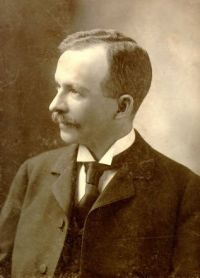
Charles W. Chesnutt

Charles W. Chesnutt

Summary

Portrait of Charles W. Chesnutt Charles W. Chesnutt Frederick Douglass (Chesnutt)… (1899)

When Parker painted the moral baseness of the times, men acquiesced shamefacedly. When Channing preached the gospel of love, they wished the dream might become a reality. But, when Douglass told the story of his wrongs and those of his brethren in bondage, they felt that here indeed was slavery embodied, here was an argument for freedom that could not be gainsaid, that the race that could produce in slavery such a man as Frederick Douglass must surely be worthy of freedom.
Source: Wikisource

Portrait of Charles W. Chesnutt Charles W. Chesnutt Frederick Douglass (Chesnutt)… (1899)

The published speeches of Douglass, of which examples may be found scattered throughout his various autobiographies, reveal something of the powers thus characterized, though, like other printed speeches, they lose by being put in type. But one can easily imagine their effect upon a sympathetic or receptive audience, when delivered with flashing eye and deep-toned resonant voice by a man whose complexion and past history gave him the highest right to describe and denounce the iniquities of slavery and contend for the rights of a race.
Source: Wikisource

Get perspective with Kwize: daily news enlightened by great literature