Summary

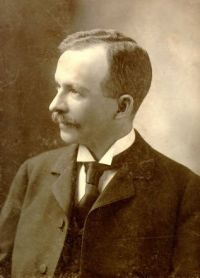
Portrait of Charles W. Chesnutt Charles W. Chesnutt The Wife of his Youth and Other Stories of the Color Line…

Dropping the element of race, disfranchisement is no more than to say to the poor and poorly taught, that they must relinquish the right to defend themselves against oppression until they shall have become rich and learned, in competition with those already thus favored and possessing the ballot in addition. This is not the philosophy of history. The growth of liberty has been the constant struggle of the poor against the privileged classes; and the goal of that struggle has ever been the equality of all men before the law. The Negro who would yield this right, deserves to be a slave
Source: Gutenberg

Portrait of Charles W. Chesnutt Charles W. Chesnutt The Wife of his Youth and Other Stories of the Color Line…

There are Negro teachers in the South—the privilege of teaching in their own schools is the one respectable branch of the public service still left open to them—who, for a grudging appropriation from a Southern legislature, will decry their own race, approve their own degradation, and laud their oppressors. Deprived of the right to vote, and, therefore, of any power to demand what is their due, they feel impelled to buy the tolerance of the whites at any sacrifice. If to live is the first duty of man, as perhaps it is the first instinct, then those who thus stoop to conquer may be right.
Source: Gutenberg

Portrait of Charles W. Chesnutt Charles W. Chesnutt The Wife of his Youth and Other Stories of the Color Line…

There still stands, before the Negro-hating whites of the South, the specter of a Supreme Court which will interpret the Constitution to mean what it says, and what those who enacted it meant, and what the nation, which ratified it, understood, and which will find power, in a nation which goes beyond seas to administer the affairs of distant peoples, to enforce its own fundamental laws; the specter, too, of an aroused public opinion which will compel Congress and the Courts to preserve the liberties of the Republic, which are the liberties of the people.
Source: Gutenberg

Get perspective with Kwize: daily news enlightened by great literature