Summary

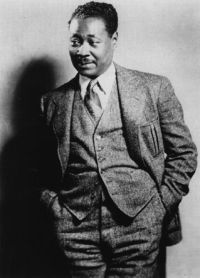
Portrait of Claude McKay Claude McKay Review of First Principles of Working Class Education (1920)

A keen observation of the remarkable diagram on objective economics, which, making use of unscientific terms, shows the powerful hold that “dead” capital has upon “living” labour. The subsequent chapters, dealing with value, exchange value, exchange, surplus value and wages will richly reward the diligent reader in search of lucid information on matters that are of especial interest in these times of tumbling exchange and chaos in international commerce.
Source: Wikisource

Portrait of Claude McKay Claude McKay Review of First Principles of Working Class Education (1920)

It gives a clear cut division between the exploiting classes, what might almost be a split from the very top to the lowest strata of our society; and right down along the line of on the one side is to be seen, active or passive, the worker-supporters of the Capitalist regime, the retainers of the robber lords, even the harpies of the slums, the vicious element which Engels says somewhere, will willingly become the instruments of the counter-revolution to fight against the revolutionary will of the class-conscious proletariat.
Source: Wikisource

Portrait of Claude McKay Claude McKay Review of First Principles of Working Class Education (1920)

On page 14 there is a clear and definite statement which should help to enlighten and comfort idealistic Socialists who often find it impossible to to work and hold intercourse with their fellows of the same faith, because their conduct often belies their Socialist principles: “The connection between man and man is not a human but a property relationship, and will remain so until society is really humanised, and this cannot be until their material relationship has become socialised universally.”
Source: Wikisource

Get perspective with Kwize: daily news enlightened by great literature