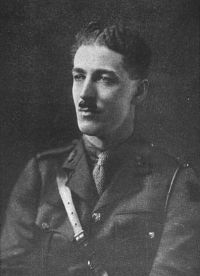
Coningsby Dawson

Coningsby Dawson

Summary

Portrait of Coningsby Dawson Coningsby Dawson Christmas Outside of Eden

But it was the Woman who caused the Man most unhappiness. It wasn't that she despised and blamed him. He'd grown used to that since leaving Eden. Everybody, except the dog and the robin, despised and blamed him. The Woman caused him unhappiness because she was unwell—really unwell; not just an upset stomach or a headache. In Eden she had always been strong and beautiful, like sunlight leaping on the smooth, green lawn—so white and pink and darting. Her long gold hair had swayed about her like a flame; her white arms had parted it as though she were a swimmer.
Source: Gutenberg

Portrait of Coningsby Dawson Coningsby Dawson Christmas Outside of Eden

If the Woman hadn't eaten the forbidden fruit, there wouldn't be any baby."
The word "baby" was entirely new to them. They sat up beneath their scented trees and began to ask questions. But the robin didn't want to be delayed; he spread his wings and fluttered on.
At last he came to the smoothest of smooth lawns, in the midst of which grew a mulberry-tree, beneath whose shadow God was seated with the Virgin Mary. Despite the flakes of sunlight falling and the gold-blue peace by which They were surrounded. Their attitudes were no less despondent than the angels'.
Source: Gutenberg

Portrait of Coningsby Dawson Coningsby Dawson Christmas Outside of Eden

If the robins have chosen your holly-bush as their rendezvous and you understand their language, you won't need to read what I have written. Like all true stories, it is much better told than read. It's the story of the first laugh that was ever heard in earth or heaven. To be enjoyed properly it needs the chuckling twitter of the grown-up robins and the squeaky interruptions of the baby birds asking questions. When they get terrifically excited, they jig up and down on the holly-branches and the frozen snow falls with a brittle clatter.
Source: Gutenberg

Get perspective with Kwize: daily news enlightened by great literature