Summary

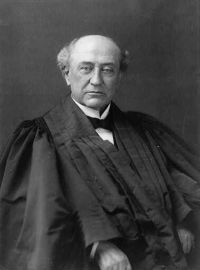
Portrait of David Josiah Brewer David Josiah Brewer Clune v. United States — Opinion of the Court

U.S., a conspiracy to commit any offense against the United States is punishable by a fine of not less than $1,000 nor more than $10,000, and by imprisonment for not more than two years. Upon this he contended that a conspiracy to commit an offense cannot be punished more severely than the offense itself, and also that, when the principal offense is, in fact, committed, the mere conspiracy is merged in it.
Source: Wikisource

Portrait of David Josiah Brewer David Josiah Brewer Clune v. United States — Opinion of the Court

Although all the evidence does not appear to have been preserved in this bill of exceptions, enough is disclosed to show that the government was seeking to establish a conspiracy by circumstantial testimony; and telegrams of this character, if identified and brought home to the defendants, were obviously circumstances tending to show such conspiracy. It is familiar law that where a case rests upon that character of evidence, much discretion is left to the trial court, and its ruling will be sustained, if the testimony which is admitted tends even remotely to establish the ultimate fact.
Source: Wikisource

Portrait of David Josiah Brewer David Josiah Brewer Clune v. United States — Opinion of the Court

True, there appears in the transcript that which purports to be a copy of the charge, marked by the clerk as filed in his office among the papers in the case; but it is well settled that instructions do not in this way become part of the record. They must be incorporated in a bill of exceptions, and thus authenticated by the signature of the judge. This objection is essentially different from that of the lack or the sufficiency of exceptions. An appellate court considers only such matters as appear in the record.
Source: Wikisource

Get perspective with Kwize: daily news enlightened by great literature