Summary

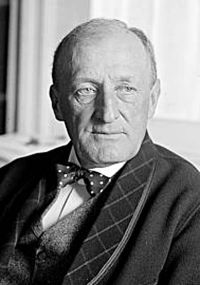
Portrait of James Clark McReynolds James Clark McReynolds O'Connell v. United States — Opinion of the Court

That the first count is bad because it only charges a conspiracy to obstruct the recruiting and enlistment service by inducement and persuasion. (3) The verdict was fatally defective and the judgment invalid. (4) The second count is bad. It charges a conspiracy to make false certificates concerning liability for military service and to aid in evading the act without alleging that the conspirators were officers or persons charged with the duty of carrying it into effect.
Source: Wikisource

Portrait of James Clark McReynolds James Clark McReynolds O'Connell v. United States — Opinion of the Court

We think the intention to find a general verdict of guilty upon both counts is sufficiently plain. Evidently all parties so understood at the time. See Statler v. United States, 157 U.S. 277, 279, 15 Sup. Ct. 616, 39 L. Ed. 700; Ballew v. United States, 160 U.S. 187, 197, 16 Sup. Ct. 263, 40 L. Ed. 388.
The second count charges a conspiracy to violate section 6 of the Selective Service Act.
Source: Wikisource

Portrait of James Clark McReynolds James Clark McReynolds O'Connell v. United States — Opinion of the Court

Other words of the section relate to officers and persons charged with the duty of carrying the act into effect, but the quoted ones are broad enough to include nonofficial persons and, when considered in connection with the general purpose in view, there can be no reasonable doubt that plaintiffs in error were within their meaning.
Source: Wikisource

Get perspective with Kwize: daily news enlightened by great literature