Summary

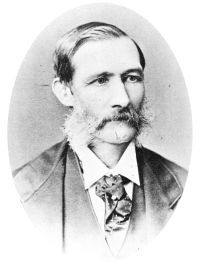
Portrait of Dietrich Brandis Dietrich Brandis Encyclopædia Britannica, Ninth Edition (1888)

Most of the teak timber produced is consumed in India. The produce of the magnificent forests of Travancore, Cochin, the Madras presidency, Coorg, Mysore, Bombay, Berar, and the Central Provinces is all so consumed. Formerly there was a considerable export from the ports of the western coast,—Malabar, Kanara, Surat, and Broach,—but the country at present requires all the teak which its forests can produce; indeed the demand is in excess of the supply, and large quantities are imported from Burmah to Calcutta, Madras, Bombay, and other Indian ports.
Source: Wikisource

Portrait of Dietrich Brandis Dietrich Brandis Encyclopædia Britannica, Ninth Edition (1888)

The principal value of teak timber for use in warm countries is its extraordinary durability. In India and in Burmah beams of the wood in good preservation are often found in buildings several centuries old, and instances are known of teak beams having lasted more than a thousand years. [4] Being one of the few Indian timbers which are really durable, teak has always been used for buildings, particularly for temples, and in India it has been the chief timber employed for shipbuilding.
Source: Wikisource

Portrait of Dietrich Brandis Dietrich Brandis Encyclopædia Britannica, Ninth Edition (1888)

Teak requires a tropical climate, and the most important forests are found in the moister districts of India, where during the summer months heavy rains are brought by the south-west monsoon, the winter months being rainless. In the interior of the Indian peninsula, where the mean annual rainfall is less than 30 inches, no teak is found, and it thrives best with a mean annual fall of more than 50 inches. The mean annual temperature which suits it best lies between 75° and 81° Fahr. Near the coast the tree is absent, and the most valuable forests are on low hills up to 3000 feet.
Source: Wikisource

Get perspective with Kwize: daily news enlightened by great literature