Summary

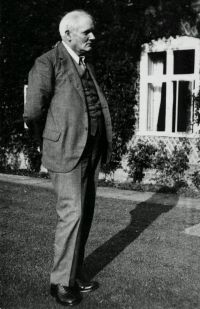
Portrait of Donald Francis Tovey Donald Francis Tovey 1911 Encyclopædia Britannica, Volume 16… (1911)

Probably no composer has ever had more ideal circumstances for artistic inspiration and expression than had Orlando. His duty was to make music all day and every day, and to make it according to his own taste. Nothing was too good, too severe or too new for the duke. Church music was not more in demand than secular. Instrumental music, which in the 16th century had hardly any independent existence, accompanied the meals of the court; and Orlando would rise from dessert to sing trios and quartets with picked voices. The daily prayers included a full mass with polyphonic music.
Source: Wikisource

Portrait of Donald Francis Tovey Donald Francis Tovey 1911 Encyclopædia Britannica, Volume 16… (1911)

Differences which might cramp the 16th-century composer need not amount to anything that would draw down the censure of ecclesiastical authorities. Be this as it may, Orlando’s other church music is always markedly different from Palestrina’s, and often fully as sublime. It is also in many ways far more modern in resource. We frequently come upon things like the Justorum animae [Magnum Opus, No. 260 (301) ] which in their way are as overpoweringly touching as, for example, the Benedictus of Beethoven’s Mass in D or the soprano solo in Brahms’s Deutsches Requiem.
Source: Wikisource

Get perspective with Kwize: daily news enlightened by great literature