Summary

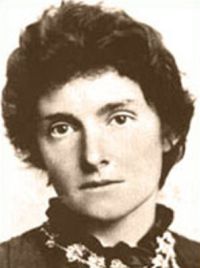
Portrait of E. Nesbit E. Nesbit Daphne in Fitzroy Street — XXIII … (1909)

The intellectual idea of her love for another had not affected his love for her. But when he saw her in another man’s arms—saw the tender, innocent, passionate response of her body to another man’s clasp—he felt in his own body a pang like death’s, and in his heart the image fell headlong from the altar, never to be set up again. Even if time should be kind, and Daphne change and turn to him, still it was all over.
Source: Wikisource

Portrait of E. Nesbit E. Nesbit Daphne in Fitzroy Street — XXIII … (1909)

Two faces that haunt her dreams to this day. Then the men gripped each other again in a struggle. It was like two dogs fighting, she thought—only dogs growl and bark and shriek, and these two were so horribly quiet. They stamped and struggled, and she could hear them breathe thickly. They writhed to and fro—and Henry’s face was thin and white and horrible; St. Hilary’s face was swollen and pink. Now Henry’s hands were on the other man’s throat. Daphne tried to throw her arms round Henry. He shook her off roughly, and she saw his face again—St. Hilary’s, too.
Source: Wikisource

Portrait of E. Nesbit E. Nesbit Daphne in Fitzroy Street — XXIII … (1909)

We know just what we have always known—that you fall in love with people not because they are handsome or clever or good—oh, certainly never because they are good—but because they are lovable. No, not that either, but—because they are the people you fall in love with.
Hear further the wisdom of Mrs. Delarue, the only other actor on the stage where Mr. St. Hilary and his poor fairy princess go through their interminable duologues.
“Love,” says Mrs. Delarue, pensively, dustpan in hand at a drooping angle, “love’s most awful queer when you come to think of it.”
Source: Wikisource

Get perspective with Kwize: daily news enlightened by great literature