Summary

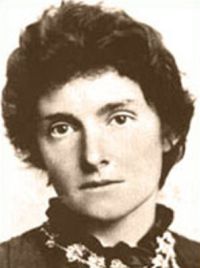
Portrait of E. Nesbit E. Nesbit Man and Maid — XIII. Alcibiades (1906)

Through the slits of the drab Venetian blinds, gaslight streamed into the winter dusk.
“There’ll be tea, anyhow,” sighed Judy, recklessly overpaying the cabman.
Inside the house where the lights were, the Aunt was surrounded by a dozen ladies of about her own age and station; “Tabbies” the world might have called them. All were busy with mysteries of many coloured silks and satins, lace and linen; at least all held such in their hands. The gathering was in fact a “working party” for the approaching bazaar. But the real work of bazaars is not done at parties.
Source: Wikisource

Portrait of E. Nesbit E. Nesbit Man and Maid — XIII. Alcibiades (1906)

Now all this swept to the floor on the moving table-cloth, at the very instant when a rough brownly-black, long-eared person with a sharp nose and very muddy paws bounded into the room, to the full length of his chain. His bound landed him in the very middle of the ribbon-lace-cotton-reel confusion. Judy caught the dog up in her arms, and her apologies would have melted my heart, or yours, dear reader, in an instant. But Tabbies are Tabbies, and a bazaar is a bazaar.
Source: Wikisource

Portrait of E. Nesbit E. Nesbit Man and Maid — XIII. Alcibiades (1906)

There was a sprinkling of men—middle-aged mostly, and bald. There were a few youths; by some fatality all were fair, and reminded Judy of pork. A Tabby stopped at her stall, turned over all things and bought a beaded table-napkin ring. The purchase and the purchaser seemed to Judy to typify her whole life and surroundings. All her soul reached out to the Island.
Source: Wikisource

Get perspective with Kwize: daily news enlightened by great literature