Summary

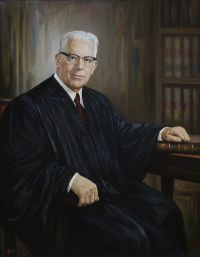
Portrait of Earl Warren Earl Warren United States v. Mississippi Valley Generating Company…

The thrust of the arguments made by the respondent and adopted by the Court of Claims is that it would be unjust to apply the statute to one who acted as Wenzell did in this case. We cannot agree. The statute is directed at an evil which endangers the very fabric of a democratic society, for a democracy is effective only if the people have faith in those who govern, and that faith is bound to be shattered when high officials and their appointees engage in activities which arouse suspicions of malfeasance and corruption.
Source: Wikisource

Portrait of Earl Warren Earl Warren United States v. Mississippi Valley Generating Company…

If the activities of a government agent have as decisive an effect upon the outcome of a transactions as Wenzell's activities were said by the Court of Claims to have had in this case, then a refusal to characterize those activities as part of a business transaction merely because they occurred at an early stage of the negotiations is at war with the obvious purpose of the statute.
Source: Wikisource

Portrait of Earl Warren Earl Warren United States v. Mississippi Valley Generating Company…

The fact that the probability eventuated into actuality after Wenzell's government service terminated can hardly be relevant, for what the Court, under its view of the statute, correctly says as to the immateriality of First Boston's later waiver of commissions must surely also work in reverse. Whether or not a prohibited interest exists must be determined as of the period during which an individual is acting for the Government.
Source: Wikisource

Get perspective with Kwize: daily news enlightened by great literature