Eduardo C. Robreno

Eduardo C. Robreno

Summary

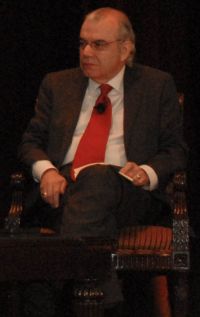
Portrait of Eduardo C. Robreno Eduardo C. Robreno Andrea Constand v. William H. Cosby… (2005)

On the one hand, it is true that a lawyer’s extrajudicial statements may contribute to the public’s understanding of the judicial process in general or help explain the intricacies of a particular case. This is specially so when, as here, by virtue of the public notoriety of one of the parties and the subject matter of the action, the case attracts significant media attention. Yet, on the other hand, extrajudicial statements by counsel heighten the risk of turning litigation into a media circus, polluting the jury pool and lowering the esteem and dignity of the court in the eyes of the public.
Source: Wikisource

Portrait of Eduardo C. Robreno Eduardo C. Robreno Andrea Constand v. William H. Cosby… (2005)

Yet, a gag order stilling counsel’s voice outside the courtroom is not the answer. Attorney public speech is not always undesirable nor is media attention always deleterious to the interest of justice. The lamp of public scrutiny shining brightly over the proceedings can assist the Court in reaching a just result under the watchful eye of an informed public. When, however, counsel seeks to use this light not to enlighten but to distort, not to inform but to proselytize, the fragile accommodation between the right to a fair trial and the exercise of free expression is put at risk.
Source: Wikisource

Portrait of Eduardo C. Robreno Eduardo C. Robreno Andrea Constand v. William H. Cosby… (2005)

Plaintiff posits that if the Court were to seal discovery, defendant would promote his own innocence by talking to the media, lecturing at public venues and otherwise promoting his public image. According to plaintiff’s counsel, if plaintiff is denied the right to have her counsel speak for her in public, she will have no public voice with which to counteract defendant.
Source: Wikisource

Get perspective with Kwize: daily news enlightened by great literature