Summary

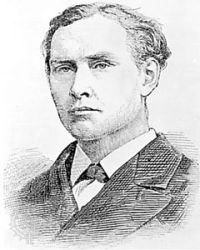
Portrait of Edward Whymper Edward Whymper Scrambles amongst the Alps — Chapter 20 (1871)

They object sometimes, because they think it is unnecessary. Crevasses that are bridged by snow are almost always more or less perceptible by undulations on the surface; the snow droops down, and hollows mark the courses of the chasms beneath. An experienced guide usually notices these almost imperceptible wrinkles, steps one side or the other, as the case may require, and rarely breaks through unawares. Guides think there is no occasion to employ a rope because they think that they will not be taken by surprise.
Source: Wikisource

Portrait of Edward Whymper Edward Whymper Scrambles amongst the Alps — Chapter 20 (1871)

Further, the rope ought not upon any account to graze over snow, ice, or rocks, otherwise the strands suffer, and the lives of the whole party may be endangered. Apart from this, it is extremely annoying to have a rope knocking about one's heels. If circumstances render it impossible for the rope to be kept taut by itself, the men behind should gather it up round their hands, [4] and not allow it to incommode those in advance. A man must either be incompetent, careless, or selfish, if he permits the rope to dangle about the heels of the person in front of him.
Source: Wikisource

Get perspective with Kwize: daily news enlightened by great literature