Summary

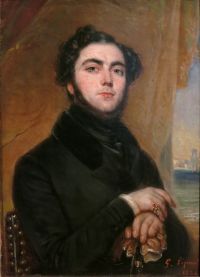
Portrait of Eugène Sue Eugène Sue The Iron Pincers; or, Mylio and Karvel…

Can they mean to punish us because we prefer our own Perfects, worthy pastors like you, Karvel, who, industrious and austere, practice and preach in the midst of the sacred joys of family life the sublime doctrine of Christ, the friend of the poor and the sorrowing, the enemy of the hypocrites and of the rich? But, moreover, why resort to violence? Are the Catholic priests the only repositories of the true faith? Are they the only inspired ones of God? Let them convert us by reason, by gentleness, by persuasion. Why appeal to violence—to fire and sword!
Source: Gutenberg

Portrait of Eugène Sue Eugène Sue The Iron Pincers; or, Mylio and Karvel…

She spins them with her dainty fingers that are no less nimble than the spindle itself. Always confined to an ill-lighted chamber, the pure and white skin of the poor serf has not been tanned by the heat of sun; the hard labors of the field have not deformed her delicate hands. Florette sits there so completely absorbed in her own sadness that she does not hear the slight noise that proceeds from the hedge within which the mill is enclosed.
Source: Gutenberg

Portrait of Eugène Sue Eugène Sue The Iron Pincers; or, Mylio and Karvel…

Morise—"Aimery, the brother of the Lady of Lavaur, was telling us only yesterday: 'Languedoc is the envy of all Gaul.'"
Karvel—"By the way of Aimery, is there anything more touching than the unalterable affection that links him to his sister Giraude? When I behold the two enjoying that delicious sentiment I regret all the more the absence of our Mylio, our dearly beloved brother."
Morise—"Patience! Your brother has a good heart. When the first ardor of youth will have spent itself, he will return to us."
Source: Gutenberg

Get perspective with Kwize: daily news enlightened by great literature