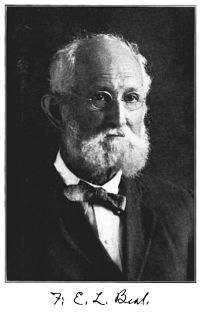
 F. E. L. Beal,
Food Habits of the Thrushes of the United States
F. E. L. Beal,
Food Habits of the Thrushes of the United States
“ Several other subspecies occupy the Pacific coast region in suitable localities—that is, in the higher and more wooded sections, as this bird, like all of the genus Hylocichla, does not live in treeless or arid regions. In the East the bird is a late fall migrant and may often be seen sitting silent and alone on a branch in the forest in late October or even in November, when the great army of migrants have passed on to the South. While a beautiful songster, the species is so quiet and unobtrusive that by sight it is entirely unknown to many. ”
