Hymenoptera

Definition and stakes

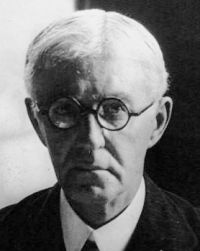
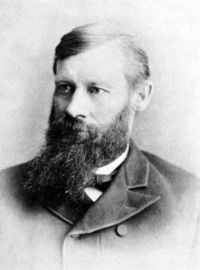
Portrait of Albert John Cook Albert John Cook,  Manual of the apiary (1879)

“ Such marvels of instinct, if we may not call it intelligence, such acumen of sense perception, such habits—that must go hand-in-hand with the most harmonious of communities known among animals, of whatever branch—all these, no less than the compact structure, small size and specialized organs of nicest finish, more than warrant that grand trio of American naturalists, Agassiz, Dana and Packard, in placing Hymenoptera as first in rank among insects. ”
Source: Gutenberg

Public and Private Life of Animals

“ The neuter Hymenoptera are the working members of the insect world, and enjoy a greater share of life than either the males or females of their kind, outliving, indeed, two or three successive generations. In His infinite wisdom, God has denied them the power of reproduction, and at the same time entrusted to them the care and rearing of the young. Nothing in nature is without design. The neuter Hymenoptera bring up the orphan larvæ of their relatives who invariably die after giving birth to their young. ”
Source: Gutenberg

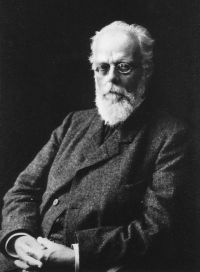
Portrait of Henri Bergson Henri Bergson,  Creative Evolution

“ We know that the different species of hymenoptera that have this paralyzing instinct lay their eggs in spiders, beetles or caterpillars, which, having first been subjected by the wasp to a skilful surgical operation, will go on living motionless a certain number of days, and thus provide the larvae with fresh meat. In the sting which they give to the nerve-centres of their victim, in order to destroy its power of moving without killing it, these different species of hymenoptera take into account, so to speak, the different species of prey they respectively attack. ”
Source: Gutenberg

Get perspective with Kwize: daily news enlightened by great literature