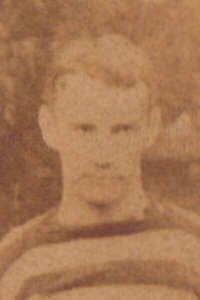
Reginald Innes Pocock

Biographical details

Portrait of Reginald Innes Pocock Reginald Innes Pocock,  1911 Encyclopædia Britannica (1911)

“ As the tide rises the spiders take refuge in crevices and spin over their retreat a sheet of silk, impervious to water, beneath which they lie in safety with a supply of air until the ebb exposes the site again to the sun. The fresh-water spider (Argyroneta) lives amongst the weeds of lakes and ponds and, like Desis, is quite at home beneath the water either swimming from spot to spot or crawling amongst the stems of aquatic plants. As a permanent home the spider makes beneath the surface a thimble-shaped web, with inverted mouth, anchoring it to the weeds. ”
Source: Wikisource

Portrait of Reginald Innes Pocock Reginald Innes Pocock,  1911 Encyclopædia Britannica (1911)

“ MIMICRY, in zoology, the deceptive and advantageous resemblance presented by defenceless and edible species of animals to other species of animals living in the same locality, which are harmful or distasteful and are consequently avoided by all or by a majority of the enemies of the class to which the mimetic and usually the mimicked species belong. ”
Source: Wikisource

Portrait of Reginald Innes Pocock Reginald Innes Pocock,  1911 Encyclopædia Britannica (1911)

“ For example, in the government of Pskov in Russia, where food is scarce throughout the year and in danger of exhaustion during the winter, the peasants are said to resort to a practice closely akin to hibernation, spending at least one-half of the cold weather in sleep. From time immemorial it has been the custom when the first snows fall for families to shut themselves up in their huts, huddle round the stove and lapse into slumber, each member taking his turn to keep the fire alight. Once a day only do the inmates rouse themselves from sleep to eat a little dry bread. ”
Source: Wikisource

Get perspective with Kwize: daily news enlightened by great literature